
Mongolia: wildlife and culture
- Next tour dates April 17-28, 2027
- Duration 12 days
- Lodging 3-4 stars with ger stays
- Difficulty Moderate
- Group size Max. 4 people
- Price USD $7,595 per person*
Overview
Mongolia is a diverse mosaic of natural habitats which include high mountains, forests, rivers, lakes, plains, and deserts. It has the second-highest Snow Leopard abundance in the world. Three major flyways for migratory birds pass through Mongolia and a total of 520 bird species have been recorded here.
During this 12-day trip, we will spend much of our time in the incredible Gobi Desert, exploring some of the most important wildlife and birding areas in the region. Here, many migratory birds are drawn to Gobi’s small ponds, springs, tree stands, and bushes making it easier than watching birds in other northern regions of Mongolia.
Of course, a trip to Mongolia wouldn’t be complete without delving into its complex and diverse history and culture – so we have several planned visits to cultural sites. If possible (depending on conditions) we hope to spend time with nomadic families while in the Gobi.
Itinerary
DAY 1: ARRIVAL IN ULAANBAATAR
Welcome to Mongolia! Upon arrival in Ulaanbaatar, the capital city of Mongolia, we will meet our local guide and driver, and transfer to our hotel. This afternoon we can rest and enjoy a relaxing welcome dinner and prepare for the start of the tour.
DAY 2: TERELJ NATIONAL PARK
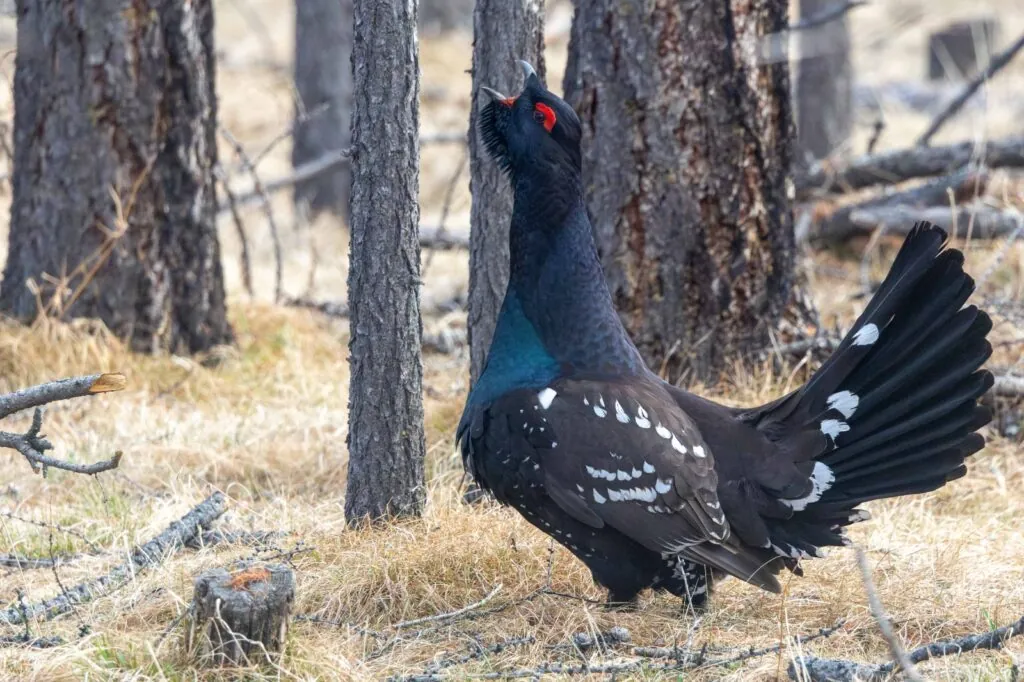
We will have an early morning today, and head to Terelj national park, 100km. Here, the landscape is very picturesque with forests, granite rocky hills, rivers and green meadows. A small portion of the park is developed for tourists with ger camps and hotels. We will be birding in mountain forest and along the Tuul river riparian forest, looking for: Black-billed Capercaillie, Great Tit, Marsh Tit, Willow Tit, Azure Tit, Black Woodpecker, Lesser-spotted Woodpecker, Greater-spotted Woodpecker, Three-toed Woodpecker, Grey-headed Woodpecker, Pine Bunting and Tree Pipit.
DAYS 3-7: GOVI GURVAN SAIKHAN
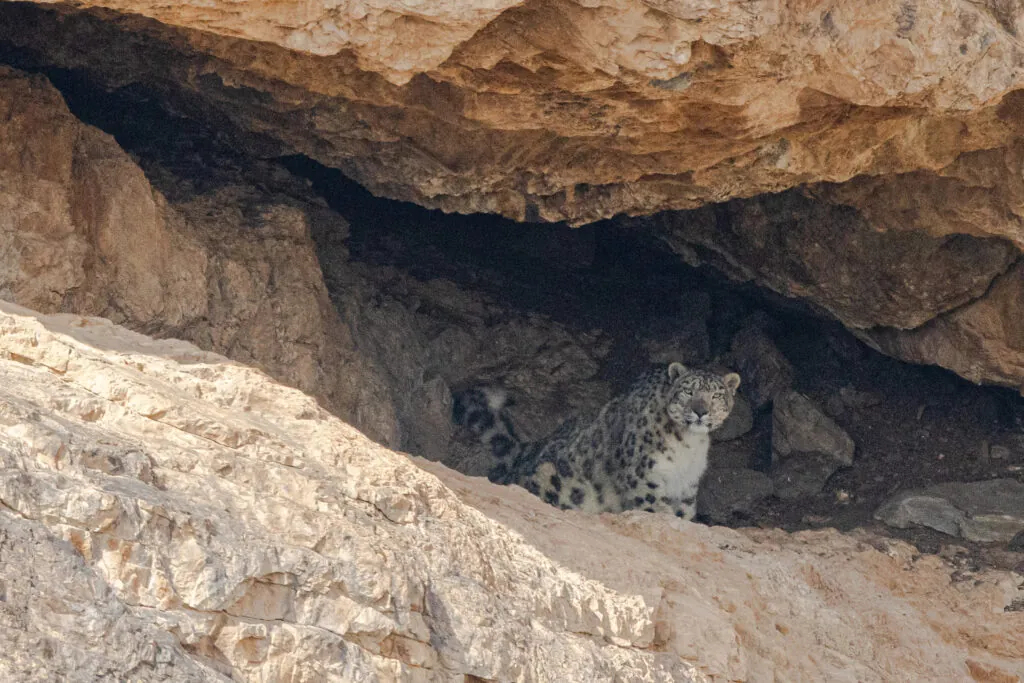
After breakfast, we will drive to Southgobi (approximately 400 km). Along the way, we will visit a local park and water pond area for birdwatching in Dalanzadgad City, the province center of South Gobi. We will take our time, with stops along the way. Once in Govi Gurvan, we will spend the next four days searching for the Snow Leopard, while also watching for other mammals and birds including: Wallcreeper, Chinese-beautiful Rosefinch, Kozlov’s Accentor, Brown Accentor, Black Redstart, Twite, Mongolian Finch, Oriental Plover, and Sand Plover. If conditions are favorable, we will be able to stay next to a nomad family and experience a bit of the nomadic way of life. We can learn how to cook Mongolian food , try milking a goat, or herding livestock.
During our stay, if we have good luck finding snow leopards, we will have the option to visit Havtsgait Petroglyphs, an incredible collection of early bronze age rock carvings. Overnight in a traditional gers next to nomad family. * Meals Include: Breakfast, Lunch, Dinner
*Depending on pasture conditions at this time, (if there was no snow or rain, and no grass growing) nomads may move to somewhere with grass. We will inform you about these conditions at least one month ahead, of time.. If we can’t stay with nomad family, we will stay at simple, smaller ger camp which is run by local people.
DAY 8: ONGI RIVER
Early morning after breakfast, we will head to Ongi River, where the transition from central Mongolia to the Gobi Desert begins. After arrival at camp, we will visit the Ongi Monastery ruins. This complex was built in 1660 and traversed the north and south sides of the Ongi River. At its peak, this monastery boasted over 30 temples, 4 Buddhist universities, and over 1,000 monks. Both complexes of the monastery were destroyed in 1939 during anti-religious Stalinist purges.
DAY 9: KHARA KHORUM
This morning, we will drive to Ugii Nuur via Khara Khorum, which was the ancient capital of the Great Mongol Empire, founded by Chinggis Khan’s sons. Upon arrival at Khara Khorum, we will visit the 430 year old Erdene Zuu Buddhist Monastery, and the local market for some souvenir shopping forlocal food items or Mongolian traditional clothing. We will then continue on to do some birding at the Ugii Llake. Here we will search for: White-naped Crane, Common Crane, Asian Dowitcher, Bearded Reedling, Bar-headed Goose, Whooper Swan, Ruddy Shelduck, Garganey, Eastern Spot-billed Duck, Mallard, Common Pochard, Great Crested Grebe, Common Swift, Pacific Swift, Eurasian Coot, Little Ringed Plover, Wood Sandpiper, Spotted Redshank, Pied Avocet, Black-winged Stilt, Common Greenshank, White-winged Tern, Arctic Loon, Great Egret, Gray Heron, Eurasian Spoonbill, Black Kite. Total driving distance approx. 250 km.
DAY 10: HUSTAIN NURUU NATIONAL PARK
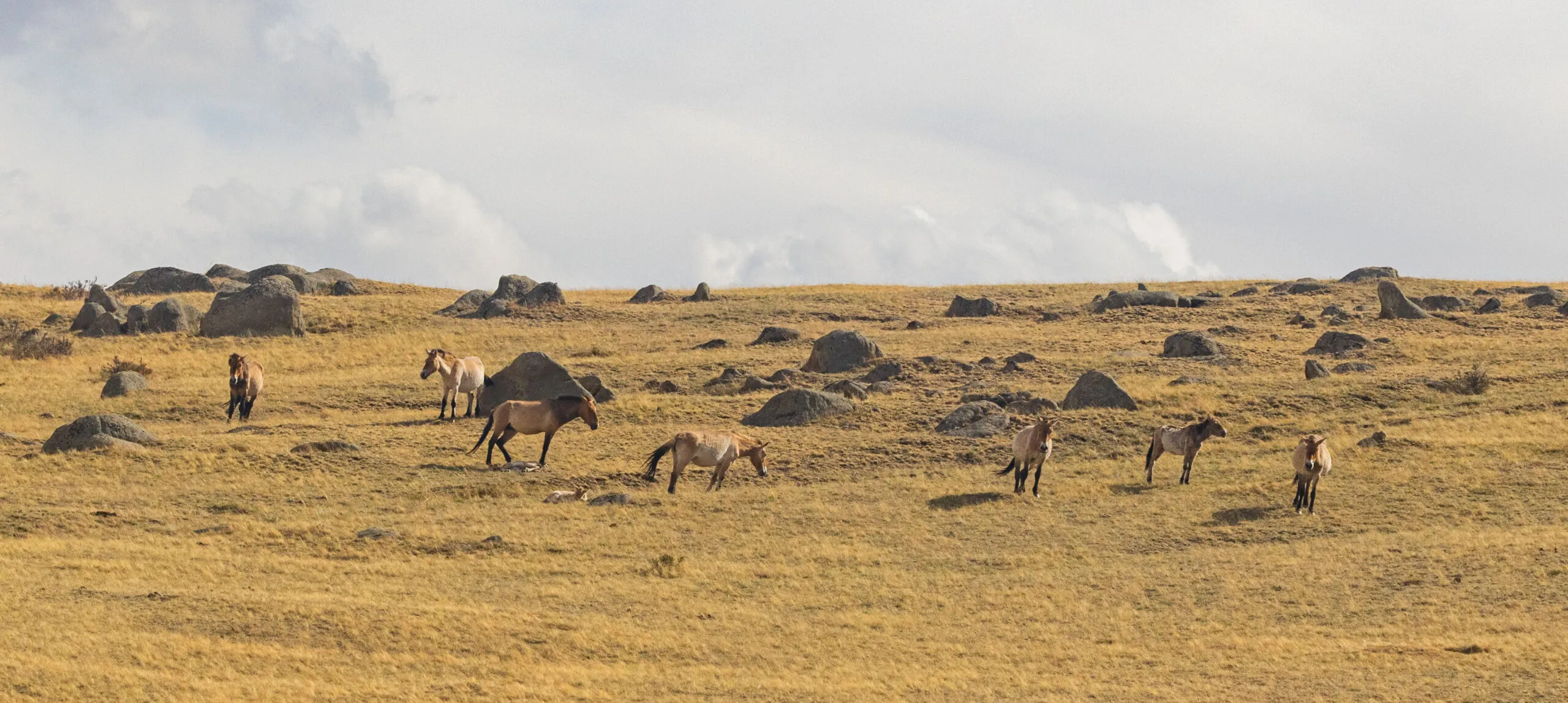
Hustain Nuruu National Park is home to some iconic mammals including Przewalski’s Horse, Red Deer, and Siberian Marmot. We will also search for some of the 170 bird species found here including Golden Eagle, Steppe Eagle, Cinereous Vulture, Saker Falcon, Amur Falcon, Mongolian Lark, and Daurian Partridge.
DAY 11: SONGINO TO ULAANBAATAR
After breakfast, we will head to Songino and explore along the Tuul river riparian forest. Avifauna that can be found here include Mandarin Duck, Common Merganser, Common Pochard, Whooper Swan, Ruddy and Common Shelduck, Common Tern, Azure Tit, Great Tit, Lesser-spotted Woodpecker, Black Woodpecker, Marsh, Willow, and Penduline tits, Long-tailed Rosefinch, Daurian Redstart, Desert Wheatear, Meadow Bunting, Red-throated Thrush, Black-throated Thrush, Cinereous Vulture, Saker Falcon, Lesser Kestrel, Common Kestrel and Upland Buzzard. We will then make our way back to Ulaanbaatar and enjoy a final dinner together.
DAY 12: DEPARTURE
After breakfast, we will transfer to the airport to catch our return flights home. Our Mongolia wildlife and culture tour concludes in Ulaanbaatar.
OPTIONAL EXTENSION
City Tour Ulaanbaatar
For those arriving a day early or staying a day late, we can offer an extension to explore the culturally rich capital of Mongolia. ,We will visit the largest Buddhist center in Mongolia – Gandan Monastery. This active monastery hosts a Buddhist University and is home to the majestic 26-meter-high gilded statue of Megjid Janraisig, which was crafted in 1911 to celebrate independence and freedom from Manchu. Buddhist philosophy, linguistics, medicine, astrology, and tantric practice have been taught and practiced since the early 20th century. Depending on our time, we may also visit the main square, called Chinggis Square, where locals spend some leisure time. Next to the square is the National History Museum, which offers real insight into Mongolian origin and history. There is also the option to visit the largest fine Cashmere store in the square. We will also have time to visit Mongolia’s famous Black Market (Naran Tuul). Everything from fruits and vegetables to textiles, rugs, clothing, and even gers can be found here.
Species
BIRDS
- Bar-headed Goose
- Ruddy Shelduck
- Black-billed Capercaillie
- Chukar
- Daurian Partridge
- Pallas’s Sandgrouse
- Asian Houbara
- Demoiselle Crane
- Black-winged Stilt
- Pied Avocet
- Kentish Plover
- Mongolian Gull
- Great Crested Grebe
- Arctic Loon
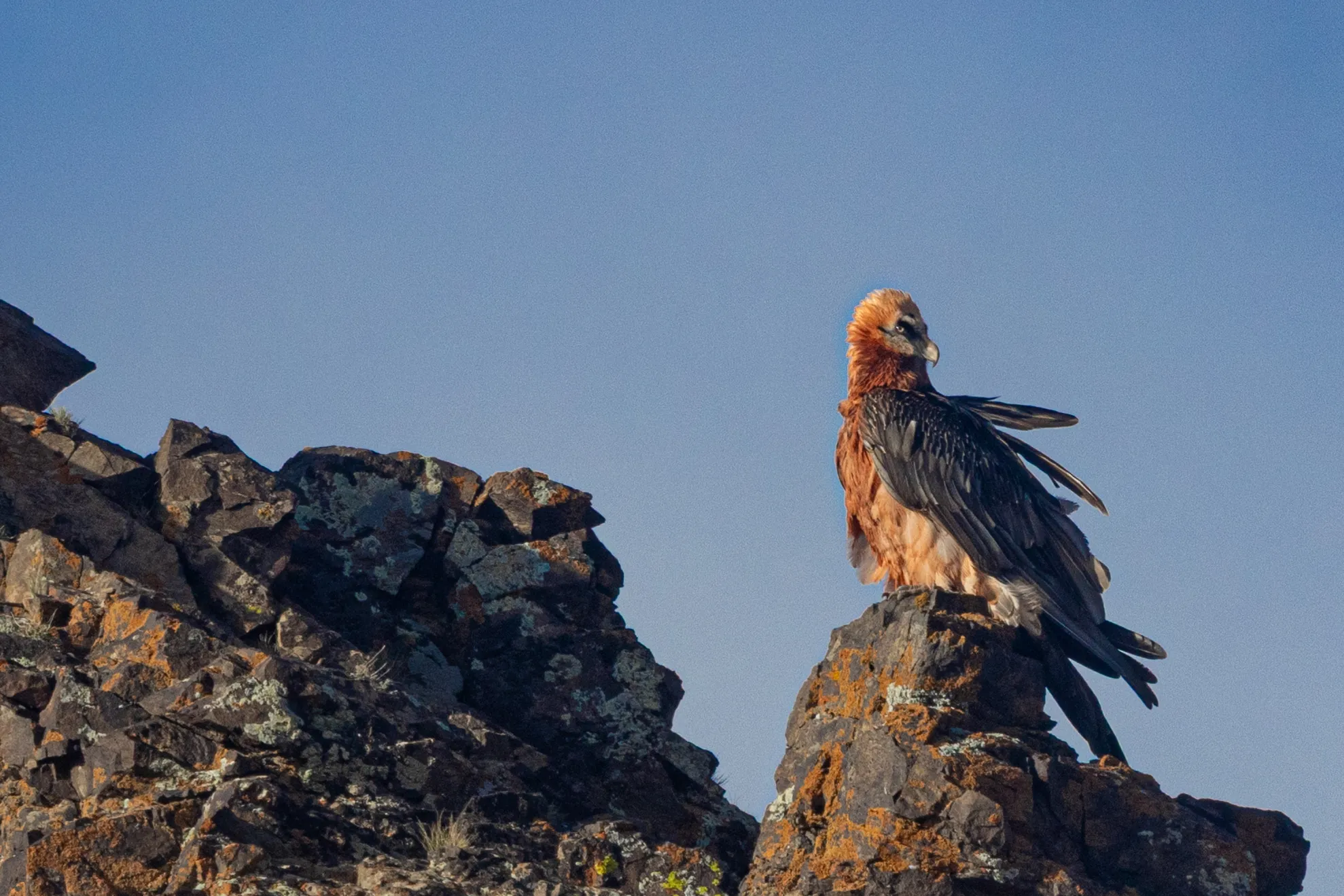
- Bearded Vulture
- Cinereous Vulture
- Greater Spotted Eagle
- Booted Eagle
- Golden Eagle
- Black Kite
- Upland Buzzard
- Long-eared Owl
- Eurasian Wryneck
- Great Spotted Woodpecker
- Lesser Spotted Woodpecker
- Black Woodpecker
- Amur Falcon
- Mongolian Ground-Jay
- Bearded Reedling
- Wallcreeper
- Desert Wheatear
- Brown Accentor
- Saxaul Sparrow
- White-winged Snowfinch
- Twite
MAMMALS & OTHER WILDLIFE
- Snow Leopard
- Goitered Gazelle
- Mongolian Gazelle
- Przewalski’s Horse
- Siberian Roe Deer
- Argali
- Tarbagan Marmot
TOUR BASICS
Single Supplement: US$325
Lodging: 3-4 star hotel with modern amenities in larger cities. Tourist camps with Mongolian traditional dwellings (ger), public bathrooms and showers.
Food: Fresh, traditional cuisine
Weather: Wide range of temperatures as we move through different elevations.
Difficulty: Moderate. Most birding is done on main roads, but trails may have uneven conditions. Some days require long drives on bumpy, windy roads.
* Pricing is based on a minimum of 6 participants. With smaller groups, an additional fee will be charged.
LEARN MORE
Upcoming tour dates:
April 17-28, 2027 (FULL)
April 15-26, 2028
Trip Reports:
2025 Trip Report
2025 eBird Trip Report
From our blog:
Top 10 Reasons to Visit Mongolia
In Search of Asia’s Wild Cats