Why Sunbittern?
Sunbitterns are undoubtedly one of the most iconic birds of the Neotropics. This gem of the rivers and quiet streams of Central and tropical South America always captivates birders’ attention. While they have somewhat of a somber appearance as they stroll quietly along the edge of a forest stream, it isn’t until they take off in flight that they show their dramatic and colorful wing patterns. Just like the wings of many moths, the bright sunburst pattern on each wing causes a startle effect to distract predators (or observers!). They also use this amazing feature in courtship and threat displays.
Some Sunbittern Facts
- The Sunbittern is a monotypic species in the family Eurypygidae. Its scientific name is Eurypyga helias – from “helios” in Greek, meaning sun.
- It is slim and heron-like in appearance; however, it is most closely related to the Kagu of New Caledonia (Rhynochetidae)! Both species share molecular and morphological similarities.
- There are three recognized subspecies of the Sunbittern, and in the past, they were considered 2 distinct species.
- Ranges from Guatemala to Brazil. Found near streams and lagoons in humid Neotropical forests, up to 1,200 meters in elevation. In some parts of its range, it can be found up to an elevation of 1,800 meters.
- Sunbitterns hunt along shallow water edges for a variety of prey, including insects, spiders, small fish, crustaceans, frogs, and lizards.
- Sunbitterns sing a distinctive, descending whistle, most often in the early mornings.
- They build simple nests made of dead leaves on branches overhanging streams, likely to protect their chicks from ground predators.
- Despite their shy demeanor, Sunbitterns are naturally unsuspicious and can be easily tamed.
- Sunbitterns may live up to 24 years in captivity.
When and Where to See Sunbitterns
Sunbitterns are widespread throughout the Neotropics. They range from Guatemala through Brazil. We can find them in lowland and foothills humid rainforests. They inhabit streams, riverbanks, and shaded wetlands, where they slowly stroll along the water’s edge. Despite their bright sunburst pattern when their wings are spread, they are cryptic and have excellent camouflage. They have barred, brown-gray plumage and slow movements, so finding one can be a challenge! Sunbitterns are shy and retiring birds. It is important to walk with ease and avoid making noise in order to see one well. However, with some luck and good ears to listen for their whistled song early in the morning, we can enjoy sightings of this unique Neotropical bird.
We encounter Sunbitterns along Pipeline Road, El Valle de Anton, and other forested riverine environments in Panama. The more time you spend along Pipeline Road (Soberania National Park), the better the chances we will come across a Sunbittern. Several streams cross Pipeline Road, and these are great places to seek out Sunbitterns along their edges. Birders have found nests over the stream along Plantation Road in Soberania National Park.
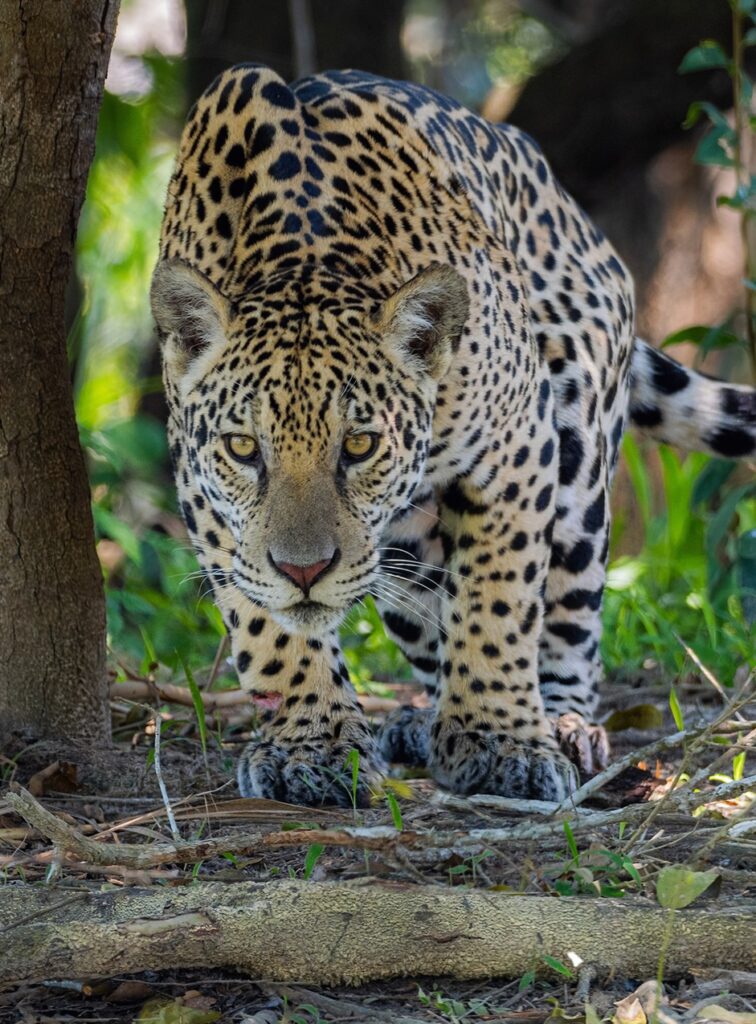
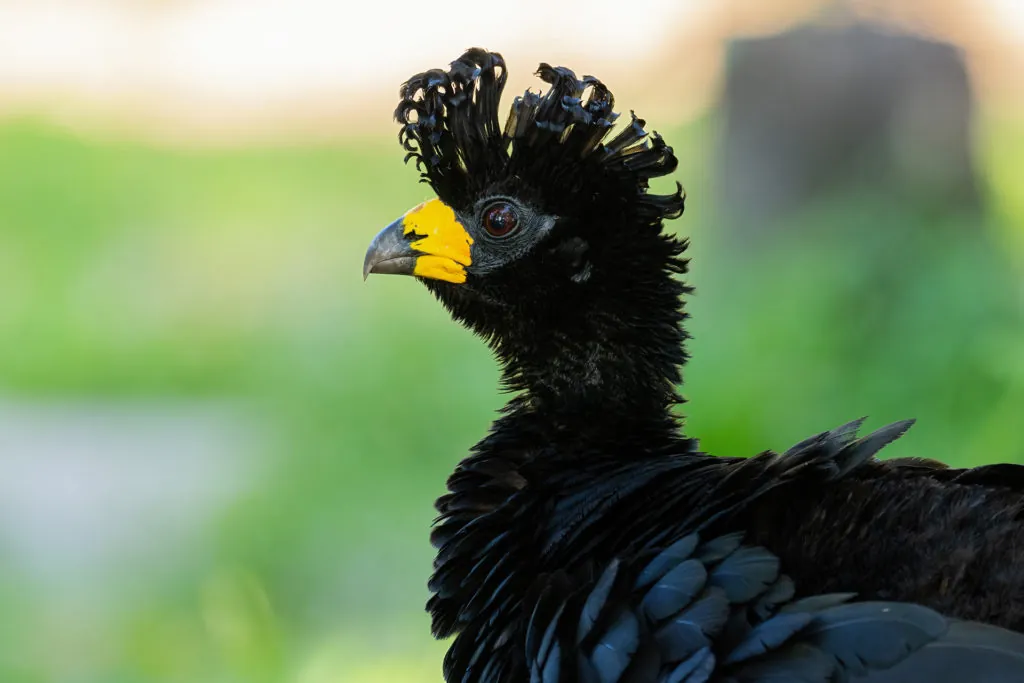
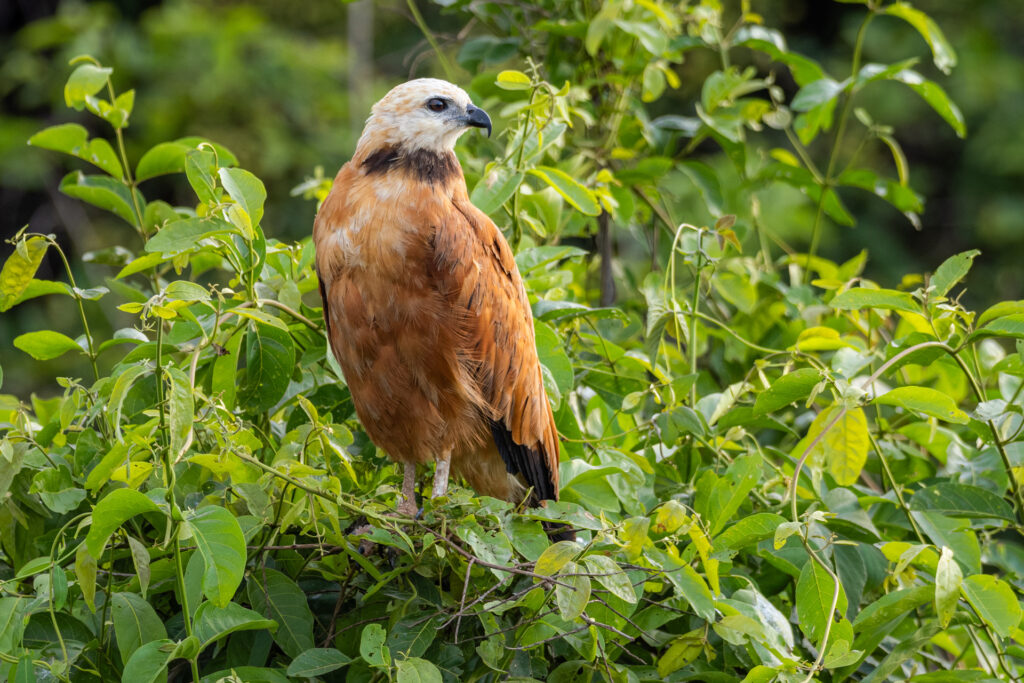
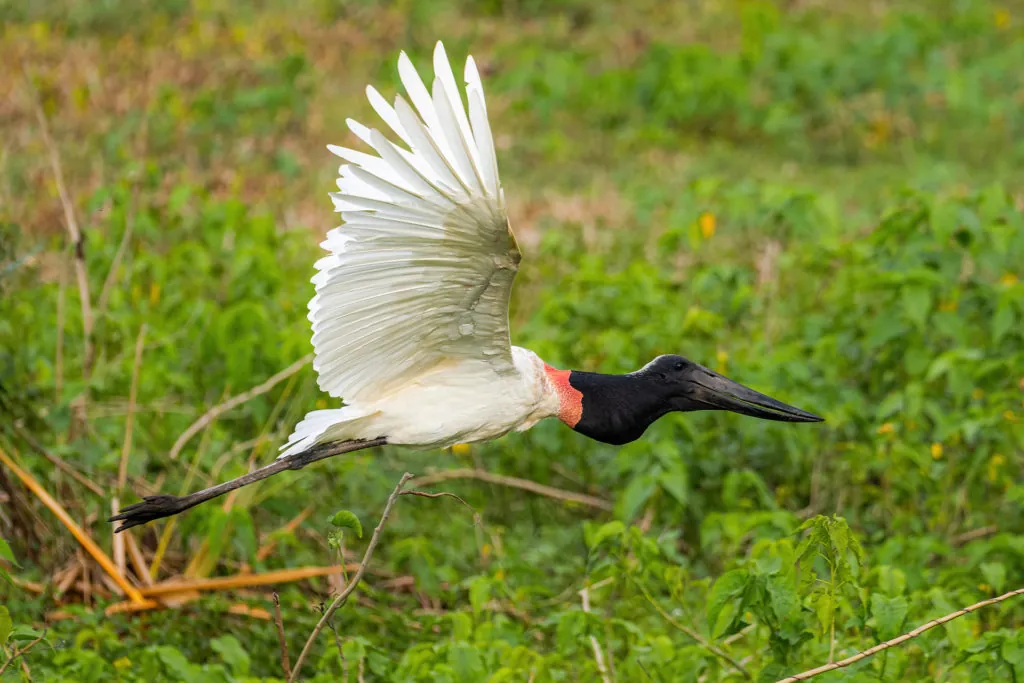
In South America, Sunbitterns are widespread throughout the Amazon Basin. You may see them quietly strolling along riverbanks and forested streams. In Brazil, they are fairly common in the Pantanal, where we can enjoy great sightings of this fantastic bird! Since the Pantanal is an open wetland, Sunbitterns are a little more conspicuously seen along sandy riverbanks. Here, occasional sightings of Sunbitterns in flight and open-winged displays dazzle birders! Some other spectacular birds we enjoy when looking for Sunbitterns in the Pantanal include Southern Screamer, Bare-faced Curassow, Jabiru, Black-collared Hawk, Buff-necked Ibis, and Toco Toucan. All these birds share this amazing habitat with the largest wild cat in the Americas, the Jaguar! For more exciting wildlife moments in the Brazilian Pantanal, check out a recent trip report.
Join us as we explore Central and South America, in search of Sunbitterns and other fantastic Neotropical birds and wildlife!