Hispaniola encompasses two countries – Haiti to the west and the Dominican Republic to the east. This Caribbean island is home to a high level of biodiversity and a host of varied ecosystems. Here, the highest peak in the Caribbean – Pico Duarte – reaches over 3,000 meters above sea level. It encompasses Hispaniolan Pine Forests, shrub, and treeless meadows.
The lowest point in the Caribbean – Lago Enriquillo – is also found on Hispaniola. At 46 m below sea level, it is a highly saline lake and the largest lake in the region. With endemic reptiles, insects, plants, plus spectacular mountain views, white sand beaches and turqouise waters, the Dominican Republic has so much to offer any nature lover. Of course, the warm and welcoming Dominican people make any trip here an even more wonderful experience. Read on to learn the top 10 reasons (out of many) we selected as to why one should visit this lovely island nation.
1. Endemic Bird Families
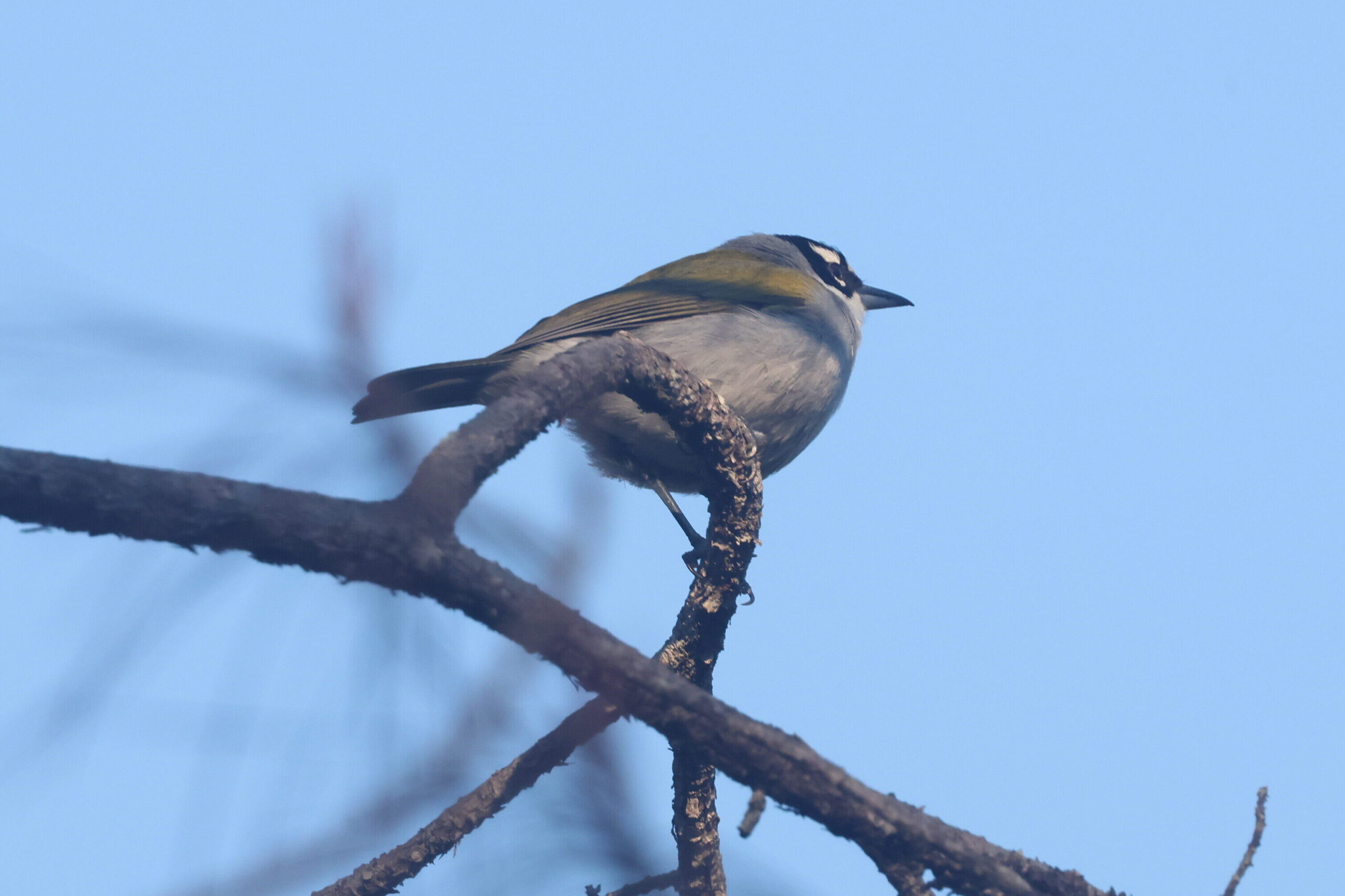
For those interested in seeing representatives of all the world’s bird families, a trip to the Dominican Republic is a must. Here, you can seek out the Palmchat, seemingly one of the most common birds on the island. The only bird in its family, Palmchats (Dulus dominicus) often are seen flying into palm trees with nesting materials, or heard chattering out their alarm calls when a raptor flies by.
The other endemic family, the Chat-tanagers (Calyptophilidae) contains two species, the Eastern and Western chat-tanagers. Though more elusive than the Palmchat, there is a high chance of seeing both of these species in just a few days, mainly in areas of the Sierra de Bahoruco National Park in the western region of the country.
2. Ridgway’s Hawk
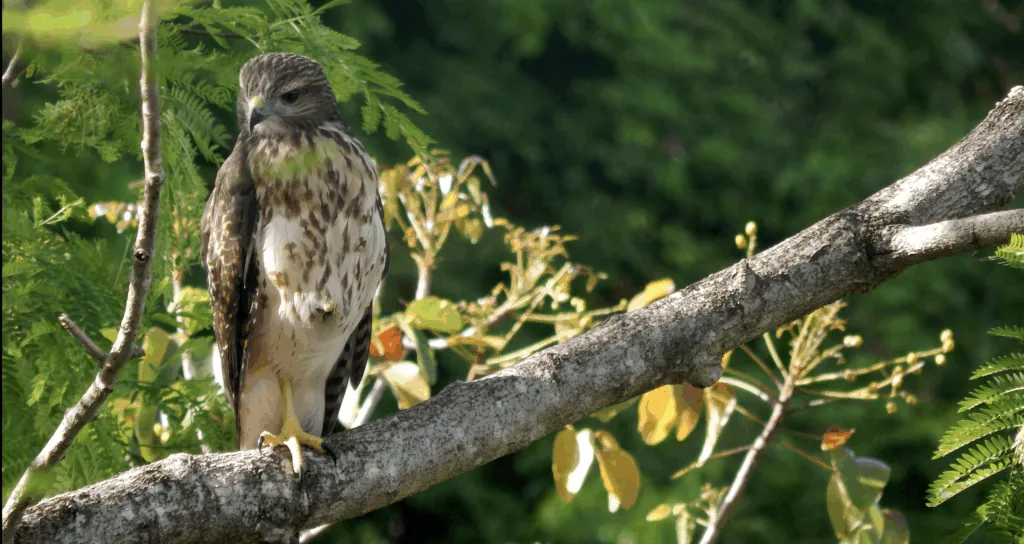
The Ridgway’s Hawk (Buteo ridgwayi) is the only diurnal raptor endemic to Hispaniola. It is a Critically Endangered species. Just 20 years ago, there were only an estimated 250-300 individuals remaining in the wild, all within one national park, Los Haitises. Today, thanks to a conservation program carried out by The Peregrine Fund, the species’ population has nearly doubled and it is now found in 3 separate areas in the country – Los Haitises National Park, Aniana Vargas National Park, and Punta Cana. Local bologists also rediscovered this species in 2019 in Les Cayemites, Haiti!
This hawk has a varied diet, feeding on rodents, lizards, snakes, and more. The male and female mate for life and can raise between 1 to 3 nestlings per breeding season. These birds are relatively easy to see, particularly during breeding season when they tend to be very vocal and active around their breeding territories.
3. Endemic Reptiles
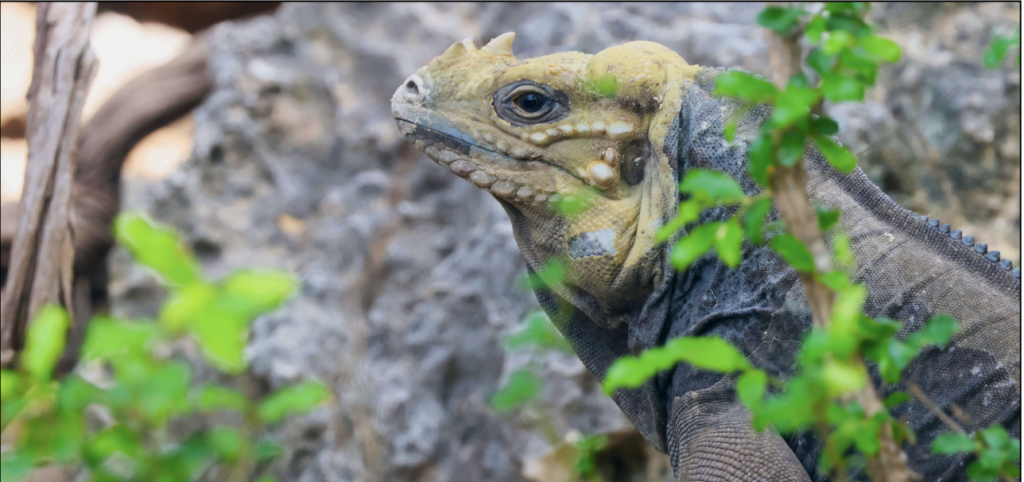
For any reptile lover, Hispaniola is a great place to visit. At night, you can search for the Hispaniola Boa, which you can sometimes find along forest trails. The Hispaniolan Racer makes its home around Lago Enriquillo. However, the highlight here are the two species of endemic endangered, large iguanas that call this nation, and surrounding islands, home. Often found in the xeric landscapes of the west, particularly near Lago Enriquillo and Lago Oviedo, one can see both the Rhinoceros and Ricord’s Rock Iguanas fairly easily. The Rhinoceros Iguana is named after the bony-plated protrusion that resembles a rhinoceros horn on its snout. Ricord’s Rock Iguana was named after a French doctor. Both species spend time in underground burrows and have mainly a herbivorous diet. Both species can lay between 2 and roughly 24 eggs. Sharing habitat with these species is another endemic reptile, the Hispaniolan Giant Ameiva.
4. Sierra de Bahoruco National Park
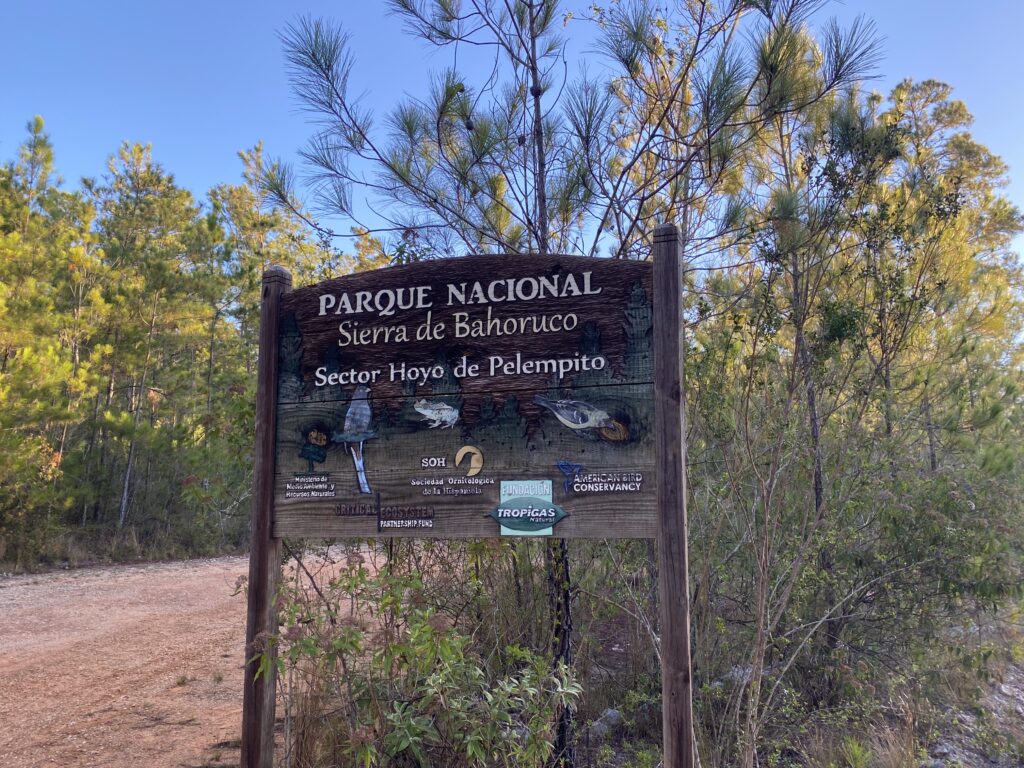
Sierra de Bahoruco is one of the most spectacular national parks in Hispaniola. It is one of the birdiest to boot. Located in the southwestern part of the country, it encompasses a number of different ecosystems. Explore the park’s tropical and subtropical broadleaf forests then climb to the temperate rainforests at its higher elevations. Approximately 30 of the nation’s endemic species can be found in this park including La Selle Thrush, Hispaniolan Elaenia, Hispaniolan Euphonia, Antillean Siskin, Hispanolian Crossbill, Stolid Flycatcher, and more. Here, you can also search for the lovely Sharp-shinned Hawk which can sometimes be seen perched, or hunting through the trees. In the Zapoten region of the park, listen for the eerie, melodious call of the Rufous-throated Solitaire. Beautiful forest trails, stunning epiphytes and unique orchids enhance the experience and make for a lovely way to spend a morning or several days while in the Dominican Republic.
5. All the other Endemic Bird Species
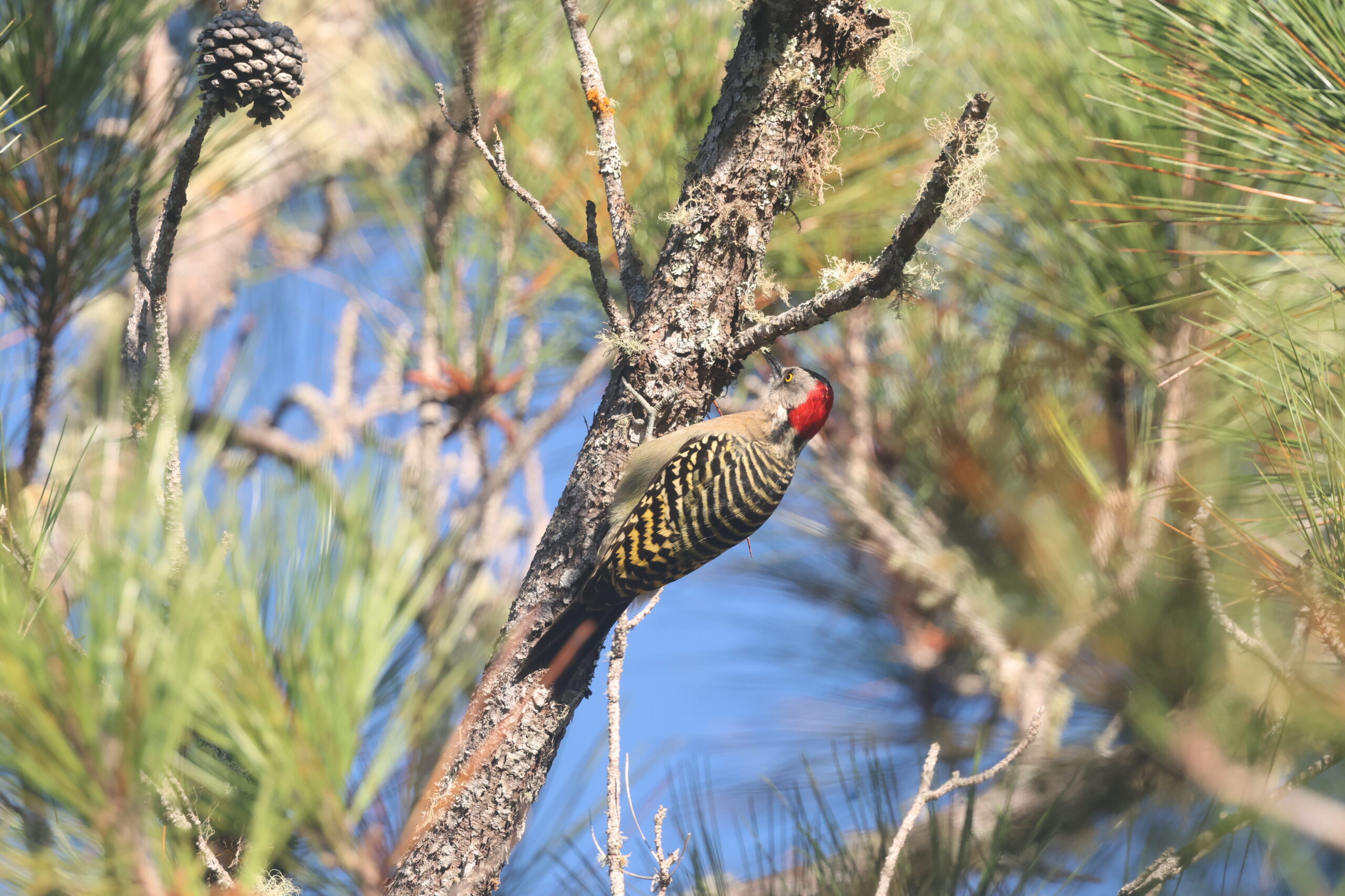
There are good chances of seeing all 35 endemic species found here in about a week or so. However, some species, such as the White-fronted Quail Dove and Bay-breasted Cuckoo can be a bit or elusive at times. Some endemics are quite wide-spread. The ubiquitous Hispaniolan Woodpecker, the Ashy-faced Owl, the diminutive jewel-like Broad-billed Tody, both endemic hummingbirds – Vervain Hummingbird and Hispaniolan Mango, as well as Hispaniolan Lizard Cuckoo and Black-crowned Palm-tanager live in many habitats from east to west. In fact, you can find most of these in the nation’s capital, at the Santo Domingo Botanical Gardens. Climbing up into the higher elevations, you begin to enter habitat of many of the other sought-after species. Golden Swallow, White-winged Warbler, Hispaniolan Spindalis, Hispaniolan Trogon, Hispaniolan Crow, and Hispaniolan Nightjar, are just a few species that we can find here.
6. Moro de Guandules
Perhaps one of the most popular dishes in the Dominican Republic is the delicious moro de guandules. Locals prepare this dish with rice, pigeon peas, and coconut milk. You can enjoy this dish as a meal on its own. Or, eat it with fresh-caught fish, fried plantains, and a nice green salad. Pineapple, mango, or papaya are fresh, juicy and sweet and make great juices to accompany any meal. Moro de Guandules is a vegan meal, and you can use many natural ingredients to enhance its flavor, including garlic, peppers, onions, and sometimes celery.
7. Whale Watching
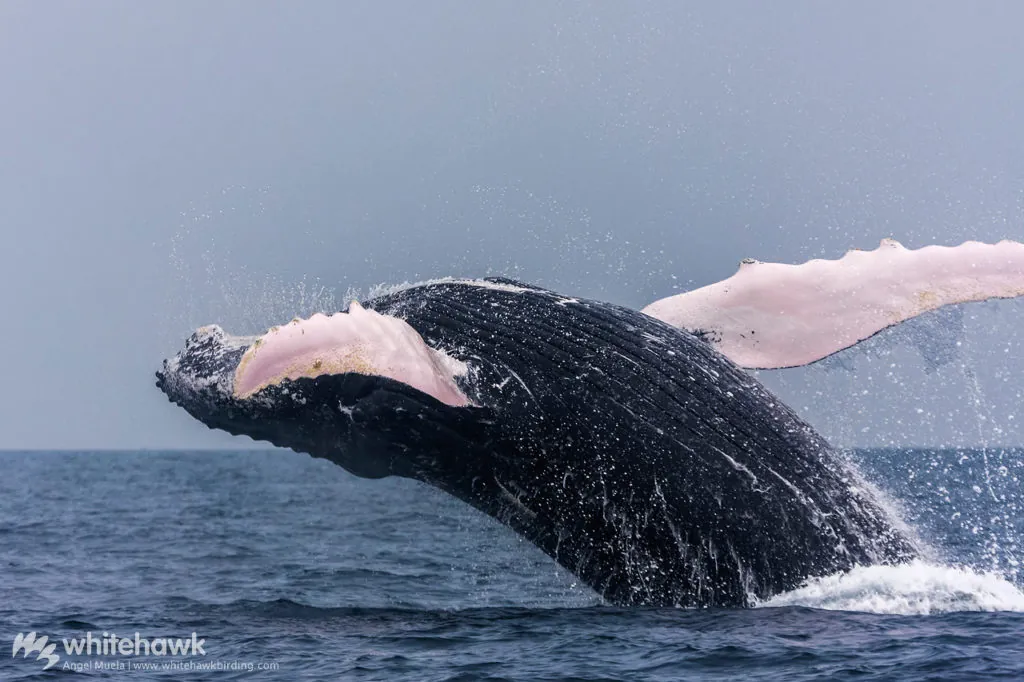
Let’s face it – Humpback Whales are awesome. Their graceful nature, beautiful songs, and incredible acrobatics are just some of the reasons we feel so drawn to these incredible cetaceans. If you are in Dominican Republic sometime between January and March, you may want to consider taking a boat ride out to search for these gentle giants. One of the best places to see Humpback Whales is in the Bay of Samana. The bay is located on the northeastern coast of Dominican Republic. Some estimates say that around 300 individuals can be found here during the peak season.
8. Lakes, Lagoons, and Cenotes
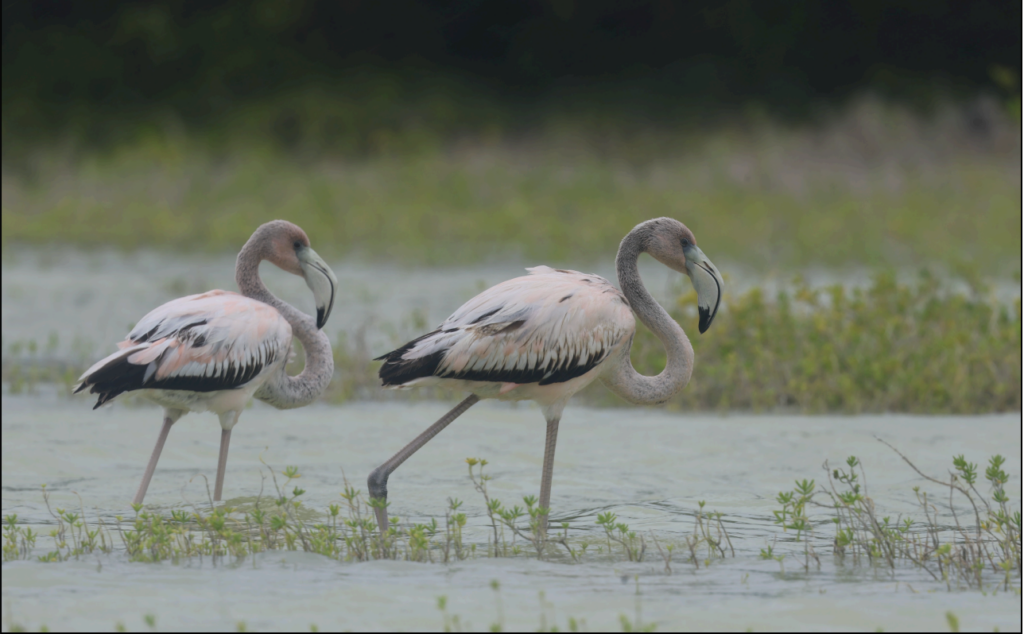
Two of the most biodiverse bodies of water in the Dominican Republic are highly saline lakes and lagoons that attract a number of bird species to their shores. Lake Oviedo is part of the Jaragua National Park. It is located less than 1 km from the Caribbean Sea. Its green waters, mangroves, cays, and surrounding habitats are a great place to search for American Flamingo, Roseate Spoonbill, egrets, herons, gulls, terns, sandpipers, and more. Less than 150 km away is the spectacular Lago Enriquillo, home to the largest population of American Crocodile in the Caribbean. Both lakes make wonderful stops along a week or 10-day-long birding trip. One may choose to bird along the shores. However, a boat ride will take you deeper into the waterway. Here, you will be able to enjoy lovely views, a relaxing ride, and some great birding.
Cenotes are beautiful, crystal blue natural pools found in several karst areas around the country. In the Punta Cana region, Hoyo Claro and the Ojos Indigenas Reserve are two places one can visit to enjoy a swim in these refreshing waters. The town of Laguna Cristal, which literally translates to Crystal Lagoon, is located on the edge of Los Haitises National Park. Though the waters here are not clear, they are a lovely green-blue and make for a refreshing dip after a hot day of birding in the nearby rice fields or in the park searching for Ridgway’s Hawks.
9. Chocolate and Coffee
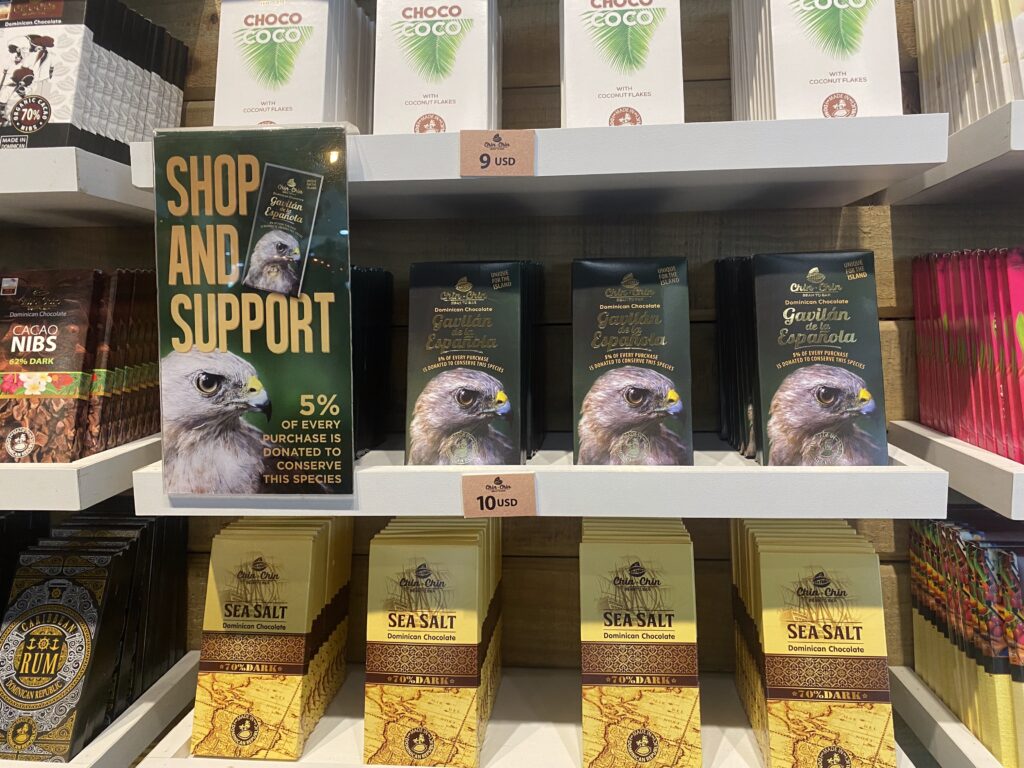
The Dominican Republic is famous for its coffee and chocolate production. Coffee grows in high-altitude regions of the country. Baharona, in particular, has fertile soil, shade trees, and an ideal climate that help farmers grow a highly regarded Arabica variety. Across the country, you can purchase locally-made coffee in packets of whole or ground beans. Sipping a delicious cup of brew at a local cafe in Santo Domingos Zona Colonial is a wonderful way to start your day. Or enjoy a cup at a locally-owned restaurant by the beach.
The Dominican Republic is also famous for its chocolate. You can find locally-made bars in many grocery stores in larger towns. In smaller towns, such as Los Limones (Los Haitises National Park) you can purchase home-made grated chocolate bars. These are perfect for making hot chocolate back home. In the even smaller town of Los Brazos (Aniana Vargas National Park) you can visit an organic coffee farm. Here, you can taste chocolate fruit picked righ off the tree. During the season, see chocolate beans drying in the sun before being shipped off for production. Some locally-grown chocolate even helps support local conservation efforts. The Chin-Chin company donates 5% of the profits from the sale of their Gavilan de la Espanola (Ridgway’s Hawk) chocolate bars directly to the conservation of this species.
10. Butterflies, Moths, & Other Invertebrates
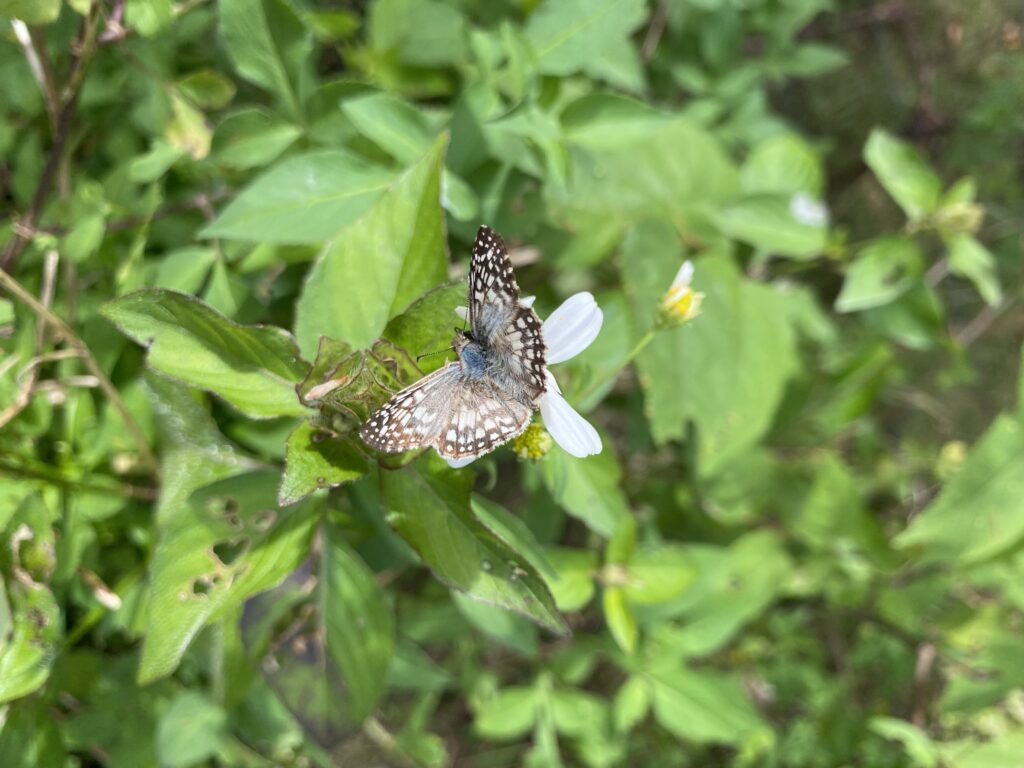
According to eButterfly, 60 percent of Hispaniola’s butterfly species are endemic. Resource guides for this region are a bit lacking. Howver, the more information citizen scientists can provide will only help contribute to the database of butterflies, moths, and other insects and invertebrates found on the island. Some of the species we have found here include Caribbean Cracker, White Peacock, Dingy Purplewing, Checkered-skippers, Red-striped Leafwing, and Caribbean Gulf Fritillary. Some moths we have found here include Hieroglyphic Moth, Pluto Sphinx Moth, Spotted Oleander Moth, and Composia credula.
Other interesting and lovely invertebrates we have detected include the Caribbean Giant Centipede, Oreodera glauca (a beetle), Cuban Brown Snail, and several species of praying mantis. Incredible spiders abound here too, including tarantulas and the incredible Translucent Green Jumping Spiders, to name just a few.
If you would like to travel to Dominican Republic for birding, we would be happy to work with you to set up a private, customized tour to this lovely nation. Please feel free to contact us at any time. Or, check out our eBird Trip Report to learn more!