Trinidad and Tobago is the southern-most Caribbean island. The Caribbean is one of our favorite destinations. Though most people envision white sand beaches, palm trees, and clear, turqouise waters when thinking of the Caribbean, the truth is this region of the world is so much more than that. It is one of only 36 Biodiversity Hotspots in the world, has a high level of endemism, and sadly, a number of species threatened with extinction.
Due to its proximity to mainland South America, Trinidad and Tobago has quite a high level of biodiversity and a mixture of Caribbean and South American species. It is the only island in the Caribbean with native, extant primate species. Nearly 60 endemic vascular plants and more than 10 endemic reptile species call these islands home. Roughly 700 butterfly species are found here. While these are some amazing reasons alone to visit this spectacular dual-island nation, here are 10 more of our top reasons to book a trip here.
1. Endemic Birds
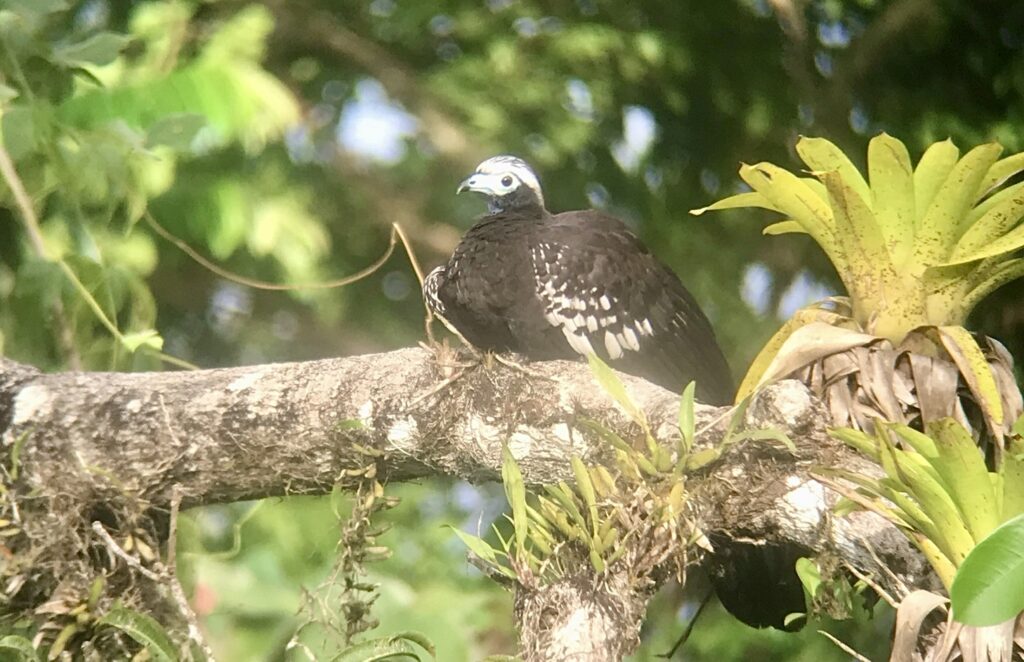
Though Trinidad and Tobago doesn’t host a very high level of endemic bird species, the ones that are found here are stunning. Perhaps the most sought-after of the endemics is the Trinidad Piping Guan. This fantastic species is known locally as “pawi.” It is a medium-sized Cracid, and is a forest-dwelling species that nests in trees. Sadly, it is Critically Endangered. But, hopefully tourism focused on finding this bird will help garner support for its conservation. Another amazing endemic is the Trinidad and Tobago Motmot. It is a stunning bird with a beautiful, turquoise head and long, racket tail feathers. This bird is quite ubiquitous, especially on the smaller island of Tobago.
2. Leatherback Sea Turtles
One of the world’s largest nesting populations of Leatherback Sea Turtles is found on Trinidad and Tobago. Grand Riviere is one of the most well-known spots to find these gentle giants. Between the months of March to August, female sea turtles come to the sandy beaches that line the coasts to dig a hole in which to lay their eggs. Night walks (always with qualified guides) are a great way to see and photograph (no flash photography) one of nature’s most lovely spectacles. Later in the season, you may be lucky to spot the baby turtles, recently hatched, making their way out to sea. These turtles feed primarily on jellyfish, can travel very long distances, and can weigh up to 500 kg (1,000 lbs). What an amazing sight it would be to see one of these incredible creatures on land.
3. White-tailed Sabrewing
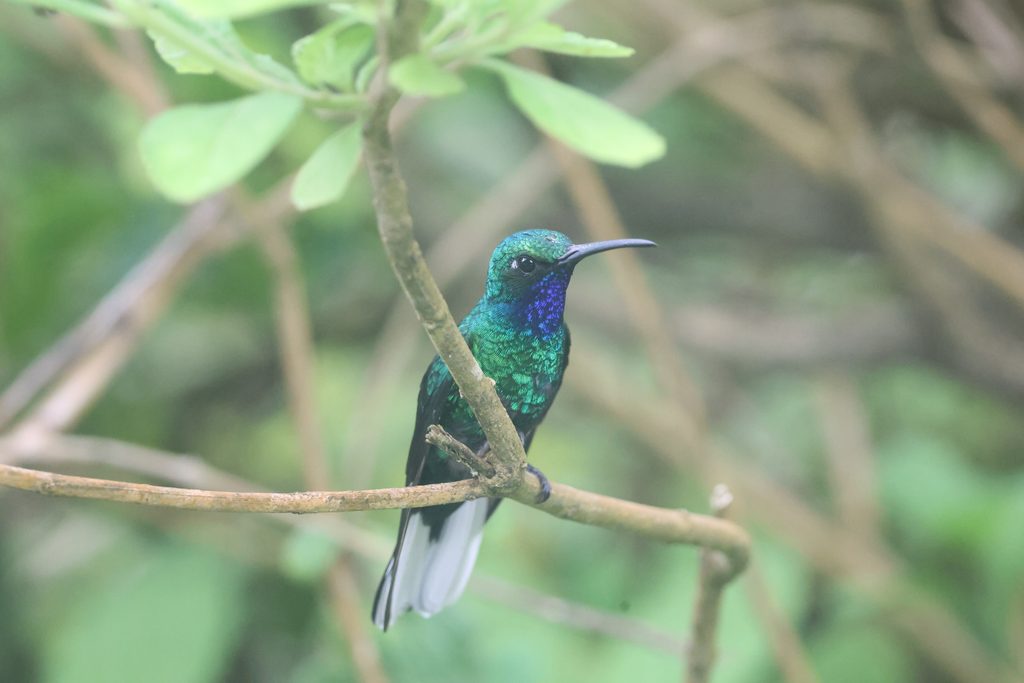
Found in only a couple of areas in Venezuela and on the island of Tobago, the White-tailed Sabrewing is a much sought-after species for birders who visit the smaller Tobago island. It makes its home in montane forests and more open plantations. And it is relatively easy to find and even comes into feeders. Despite the fact that a 1960s hurricane had a devastating affect on this species’ population, it is now making a comeback. Its current conservation status is is Near Threatened.
4. Caroni Bird Sanctuary
A trip here wouldn’t be complete without a visit to the world-famous Caroni Bird Sanctuary – Trinidad and Tobago’s largest mangrove forest and home to three different species of mangrove trees. Explored mainly by boat, a ride here in the late afternoon is a fantastic way to do some incredible, relaxed birding and wildlife watching. Float gently beneath mangrove forests to find sleeping Central American Tree Boas (Corallus ruschenbergerii). These non-venomous snakes can sometimes be seen curled tightly among the branches above. Nocturnal by nature, they often remain completely still during the day, saving up energy for their nightly hunts.
Another fascinating non-avian, nocturnal creature that can be found here is the lovely Silky Anteater. The highlight of a visit to this area of course, is the stunning Scarlet Ibis, found here in great numbers. As the sun begins to dip lower in the sky, the light can be fantastic – as dozens if not more, of these unbelievably red birds slowly descend to the mangroves to roost. American Flamingos, Tricolored Herons, and, though harder to find, Boat-billed Herons, are also found here.
5. Little Tobago
Located about 20 minutes off of Tobago, Little Tobago is a great spot for seabirds, particularly the Red-billed Tropicbird. To get there, you will take a short boat ride from the coast of Tobago. Upon disembarking, you will see a nicely manicured path of stepping stones and stairs that head up into the forest. After about 10-15 minutes up a forested trail, you will come to an overlook. From there, you have a lovely view of the ocean and sea cliffs. Keep your eyes open for the fairy-like Red-billed Tropicbird, with is long streaming tail, soaring below you. But there is quite a bit more to see. The cliffs are home to a number of other sea birds including Brown Noddy, Bridled Tern, Magnificent Frigatebird, Caribbean Martin, Brown Booby and Red-footed Booby.
6. Oilbirds
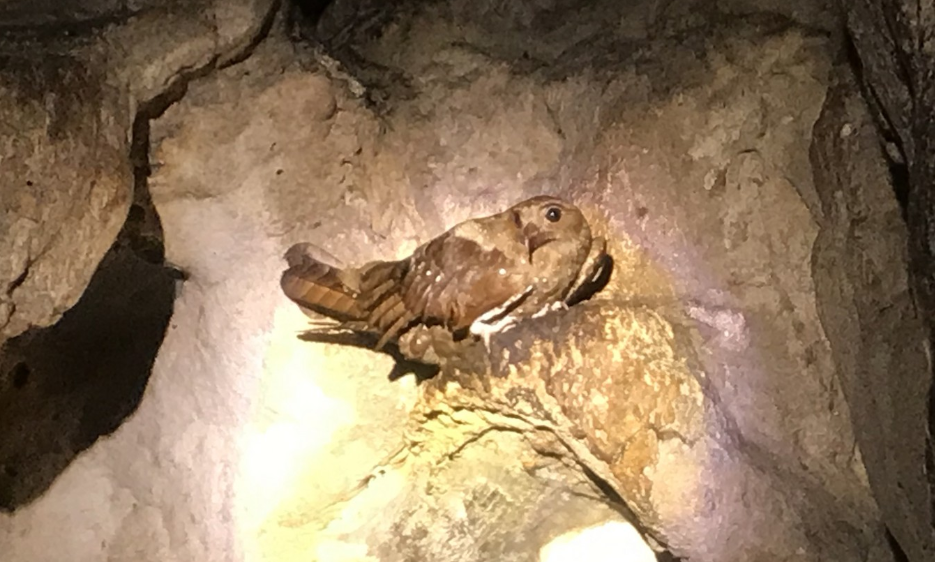
The unique Oilbird is a nocturnal fruit-eating bird, feeding mainly on the fruit of oil palms and laurels. Oilbirds got their name because people once pulled nestlings from the nest and boiled them in order to extract their oil. Though not a pleasant story, this doesn’t detract from the beauty of these cave-dwelling, nocturnal birds. Likely one of the best places to see Oilbirds is in Trinidad. The island has at least two major caves, which makes this nation one of the best places to see and, potentially photograph, this species.
7. The Northern Range
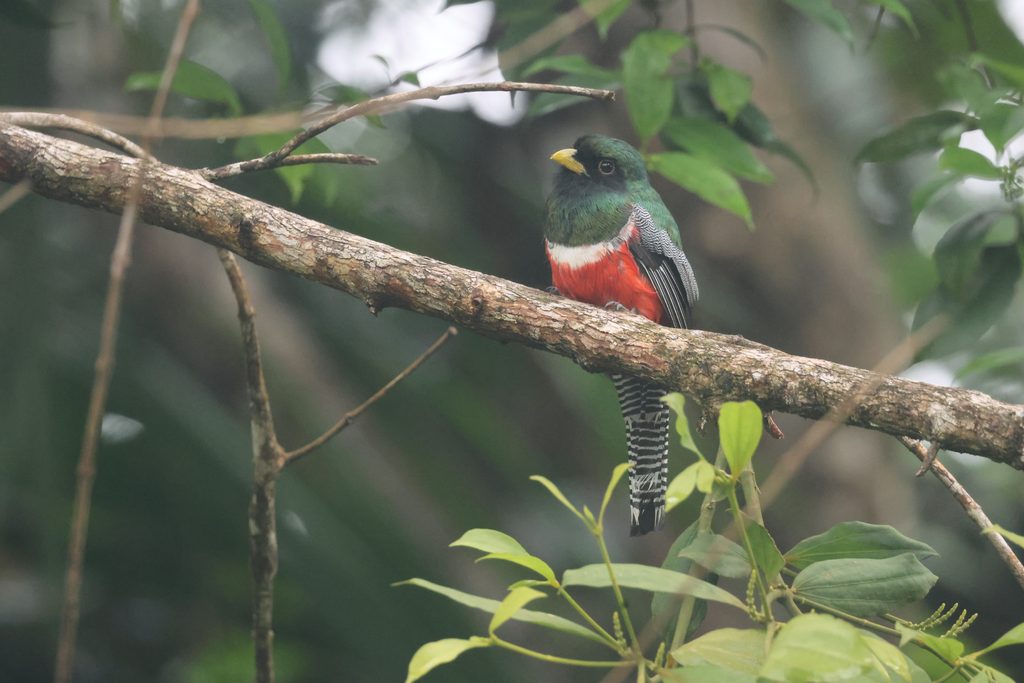
One of the best birding spots in Trinidad and Tobago is along the Northern Range. Traveling the famous Blanchisseuse Road, you will wind through incredible forest on each side. Birding is great just along the road, and small trails are available to walk deeper into the forest and away from vehicles. Some fantastic species can be found here including Green-backed, Guinan Violaceous, and Collared Trogons, Red-rumped Woodpecker, Trinidad Motmot, and Gray-throated Leaftosser, to name just a few. Continue your drive (or walk) to an amazing lookout that provides excellent views of the forest below. From here, keep your eyes peeled for soaring Ornate-hawk Eagles or White Hawks!
8. Doubles
This naturally vegan delight is a delicious street-food that must be tried at least once. Though you will likely come back for more and more during your stay in Trinidad and Tobago. Made of chickpeas cooked with delicious curry and served on two fried, soft flatbreads, it is a very popular breakfast food. However, it can be enjoyed at any time of the day or night. Look for the street vendors with the longest lines to get a high quality snack or light meal. Apart from being quite tasty, they are affordable, too!
9. The People
One of the best things about visiting this lovely dual-island nation is getting the opportunity to interact with and spend time with the locals. Trinbagonians, in general, are warm, friendly, and outgoing. They have a deep pride in their heritage and enjoy sharing about their culture. Trinidad & Tobago is definitely a melting pot with people of African, South Asian/Indian, Chinese, and European descent. This is reflected in the incredible local culture, food, and music.
10. A Mindful Birding Retreat in Trinidad and Tobago
We are pleased to announce Trinidad and Tobago as the next destination for our 2028 Mindful Birding Retreat. This 8-day tour is set mainly in the beautiful setting of the Asa Wright Nature Center, with two additional nights on the beautiful coast of Grand Riviere. In addition to birds, we can also revel in the beauty of native plants, butterflies, flowing rivers, and other wildlife. Nature trails, meandering streams, and peaceful settings will contribute to our Mindful Birding experience.
On this retreat, we will be joined by Holly Merker, author of Ornitherapy: For your Mind, Body, and Soul, who will open our eyes to the practice of ornitherapy through gentle ornitherapy sessions and forest bathing. A certified Yoga instructor will be present throughout this tour to provide daily optional group mindful movement sessions when birds and other wildlife are less active. All of these activities will enhance the practice of mindful birding in a positive way. You can sign up for our Mindful Birding Retreat here. We would love to have you join us!